
Wondering if clear aligners can really handle your smile concerns? The short answer is yes, more often than most people think. This guide walks you through what Invisalign can fix, including crowding, gaps, bite issues and more, so you can make a confident choice about your smile.
What Is Invisalign and What Can It Treat?
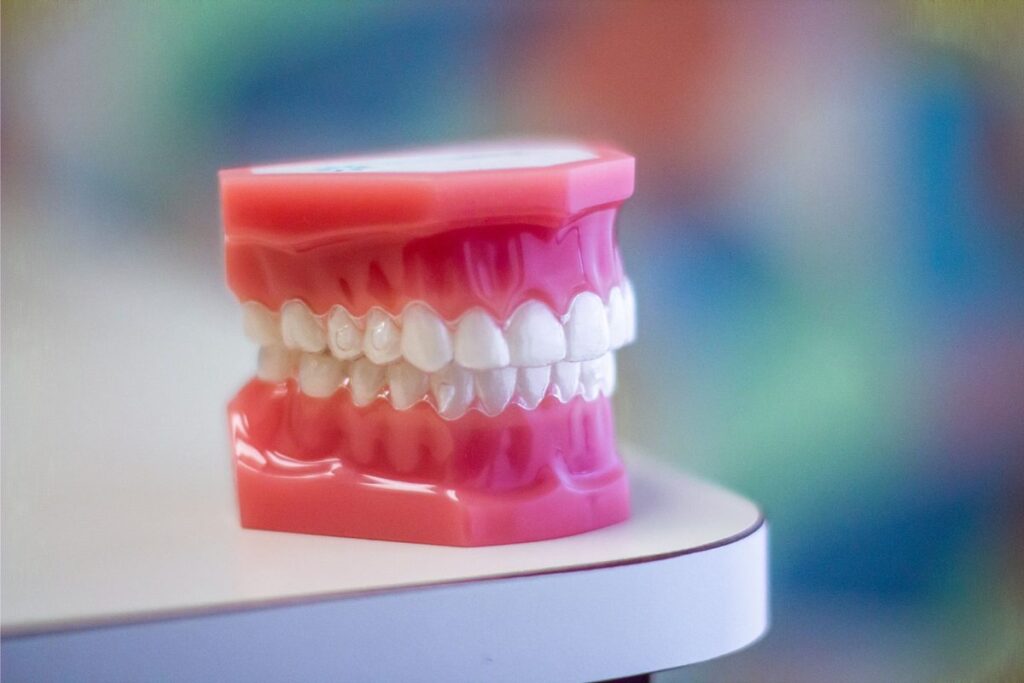
Invisalign is a series of custom-made clear aligners that gradually shift your teeth into their ideal position. Each tray applies gentle, targeted pressure to move specific teeth, and you progress through a sequence designed just for you. It’s a modern alternative to brackets and wires that treats a wide range of alignment and bite concerns.
So, what can Invisalign fix? Crowding, gaps, bite issues and more fall within its treatable range. That includes:
- Crowded or overlapping teeth
- Gaps and spacing (diastema)
- Overbite
- Underbite
- Crossbite
- Open bite
- Mild to moderate rotations and tilts
- Teeth that shifted after braces
At iSmile Orthodontics, Dr. Lauren Van Gemert is a board-certified orthodontist who maps out every tooth movement before treatment starts. The result is a precise plan built around your teeth, your bite and your goals.
How Aligners Handle Harder Movements
Trays alone can handle a lot, but some movements need extra help. Three tools make that possible.
- Attachments. Small, tooth-colored bumps bonded to certain teeth give the aligners extra grip. These make rotations and other complex moves possible.
- Elastics. For overbites, underbites and some crossbites, small rubber bands connect your upper and lower aligners to shift your bite into alignment.
- IPR. Interproximal reduction gently polishes tiny amounts of enamel between select teeth, creating the room needed to straighten crowding without pulling teeth.
How long all of this takes depends on your starting point. Our guide on how long Invisalign takes walks through what shapes the timeline.
Specific Issues Invisalign Can Fix
Clear aligners can address a surprising range of orthodontic concerns. Here’s a closer look at each one.
Crowding
When teeth don’t have enough room, they overlap, twist or push forward. Invisalign gradually creates space, often with a bit of IPR, and guides crowded teeth into alignment. The result is a straighter smile that’s easier to clean and less prone to wear.
Gaps and Spacing
Spacing between teeth, sometimes called diastema, can affect how you feel about your smile. Clear aligners close small and moderate gaps by moving teeth together in controlled steps. No metal brackets, no visible wires.
Overbite
An overbite happens when the upper front teeth cover too much of the lower teeth. Aligners, often paired with elastics, reposition the teeth and bring your bite into healthier balance. This can also reduce uneven wear on your front teeth.
Underbite
With an underbite, the lower teeth sit in front of the uppers. For mild to moderate cases, Invisalign can move the lower teeth back, bring the upper teeth forward or both. More severe skeletal underbites may need a different approach, which Dr. Van Gemert will discuss during your free consultation.
Crossbite
A crossbite is when one or more upper teeth sit inside the lower teeth instead of outside. Left untreated, it can wear down enamel and put extra stress on your jaw. Aligners shift the affected teeth into their correct position, often with the help of attachments and elastics.
Open Bite
An open bite leaves a vertical gap between your upper and lower front teeth when you bite down. Invisalign can close that gap by adjusting how far certain teeth sit up or down, bringing everything into contact for a functional, confident smile.
Teeth That Shifted After Braces
Teeth can drift after braces, especially when retainers stop getting worn. If your smile has slowly moved since your first round of treatment, clear aligners are often a straightforward way to bring it back into line.
When Braces May Be the Better Fit
Clear aligners handle most mild to moderate cases well, but they aren’t the answer for everyone. Severe rotations, large vertical movements and some skeletal bite problems can be more predictable with metal braces or clear braces. Aligners also depend on you wearing them, while braces keep working around the clock. If you’re weighing the two for a teenager, our post on braces vs. Invisalign for teens covers that choice in more depth.
Who Is a Good Candidate for Invisalign?
Most teens and adults with mild to moderate alignment or bite concerns are strong candidates for clear aligners. The best way to know for sure is an exam. Here’s a checklist to help you gauge your fit:
- You have crowding, gaps or a bite issue that bothers you
- Your teeth and gums are healthy (no untreated cavities or gum disease)
- You’re committed to wearing aligners 20 to 22 hours per day
- You can keep up with simple daily care like rinsing trays and brushing after meals
- You’re willing to come in for regular progress visits
- Any skeletal part of your bite concern is mild to moderate
Severe skeletal issues sometimes call for braces or surgical orthodontics, and that’s a conversation Dr. Van Gemert will have with you openly. Your free consultation is where she confirms whether Invisalign is the right path for your smile.
Frequently Asked Questions About Invisalign
Can Invisalign fix bite gaps?
Yes. Invisalign can close spacing between teeth and address mild to moderate open bites by bringing the upper and lower front teeth together. For larger skeletal open bites, aligners may be combined with elastics or a different approach may be recommended. A free consultation gives you a clear answer specific to your smile.
What teeth are hardest for Invisalign to move?
Rotating rounder teeth like canines and moving teeth vertically tend to be the trickiest movements. Attachments, those small tooth-colored bumps, make these movements possible by giving the aligners something to grip. With a thoughtful plan, aligners handle these cases well in most situations.
Can Invisalign fix teeth that shifted after braces?
Often, yes. When teeth drift after braces, the movement is usually modest, which is the kind of case clear aligners handle well. An exam will show how much has shifted and whether aligners are the right way to correct it.
Am I too old for Invisalign?
There’s no upper age limit for straightening teeth. What matters is the health of your teeth, gums and supporting bone. Plenty of adults choose clear aligners because they fit easily into work and daily life.
What disqualifies you from Invisalign?
A few things can rule out clear aligners, at least for now. Severe skeletal bite problems, untreated gum disease, significant jaw discrepancies and trouble committing to full-time wear are the most common reasons. In those cases, Dr. Van Gemert will walk you through other options such as braces or surgical orthodontics.
Ready to see what Invisalign can do for your smile? Request your free consult with Dr. Van Gemert at our Spokane office and embrace the difference.